
CES 2026 just wrapped up, and if you're like most small business owners, you're probably wondering: "What does all this flashy tech actually mean for my business?" While the tech giants showed off their latest AI gadgets and smart everything, let's cut through the noise and focus on what really matters: how these trends will impact your day-to-day operations, your budget, and your security.
The good news? This year's trends are actually moving toward practicality over pure innovation, which means real solutions you can actually use without breaking the bank or requiring a PhD in computer science to implement.
Edge AI: Your Data Stays Home (Finally)
One of the biggest trends at CES 2026 was edge AI, basically, smart processing that happens right on your devices instead of sending everything to the cloud. Think of it like having a really smart employee who can make decisions on the spot instead of calling headquarters every time.
For small businesses, this is huge. You know those monthly cloud bills that seem to creep up every quarter? Edge AI can help flatten those costs. Instead of paying for every calculation, analysis, and data transfer to remote servers, your local devices handle more of the heavy lifting.
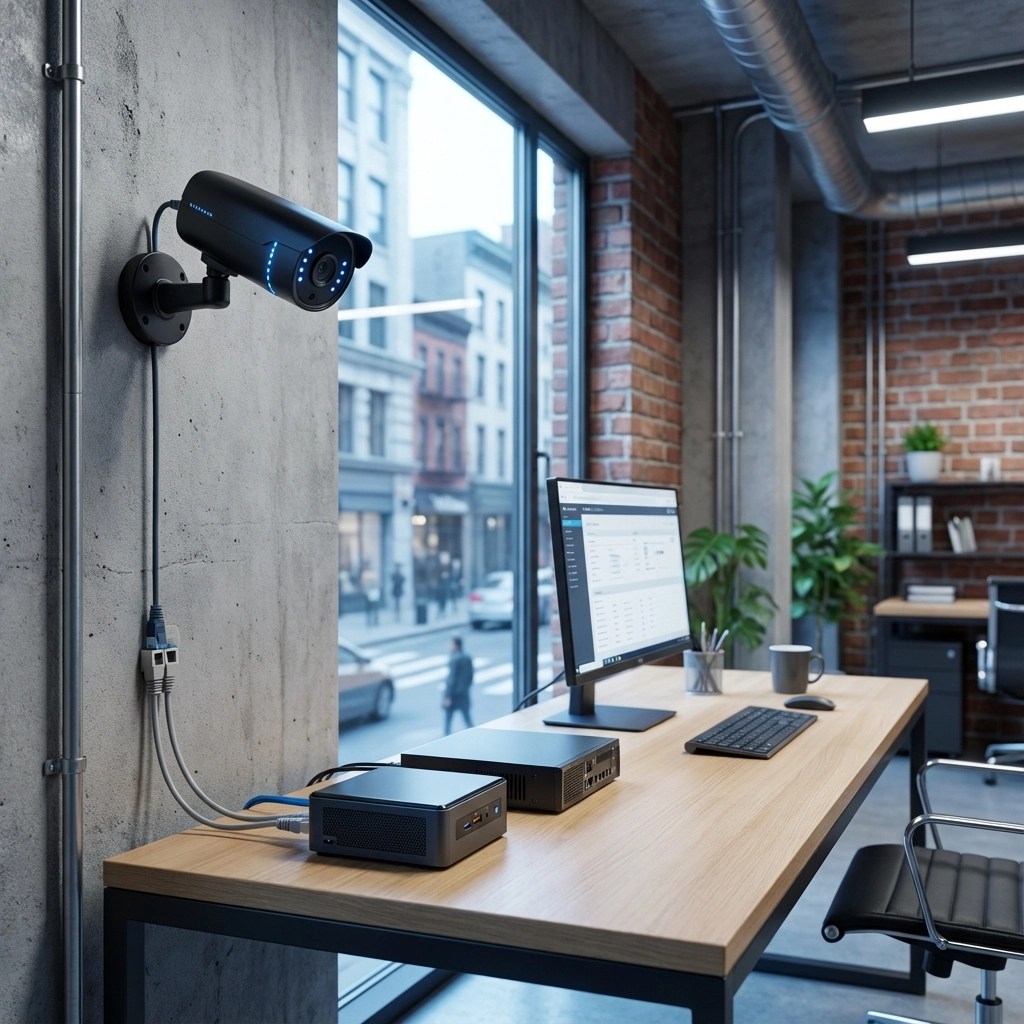
Here's a real-world example: Your security cameras can now identify unusual activity and alert you immediately, without sending hours of footage to the cloud for analysis. Your inventory management system can spot trends and reorder supplies without constant internet connectivity. It's like having a mini data center right in your office that actually makes smart decisions.
The security angle is even better. With edge AI, your sensitive customer data doesn't have to leave your premises for basic processing. That means fewer opportunities for hackers to intercept information during transmission, and you maintain better control over who has access to what.
The Internet of Smarter Things: Finally, Devices That Actually Talk
Remember when "smart" devices felt more like "complicated" devices? CES 2026 showcased what they're calling the "Internet of Smarter Things": connected systems that actually understand context and work together seamlessly.
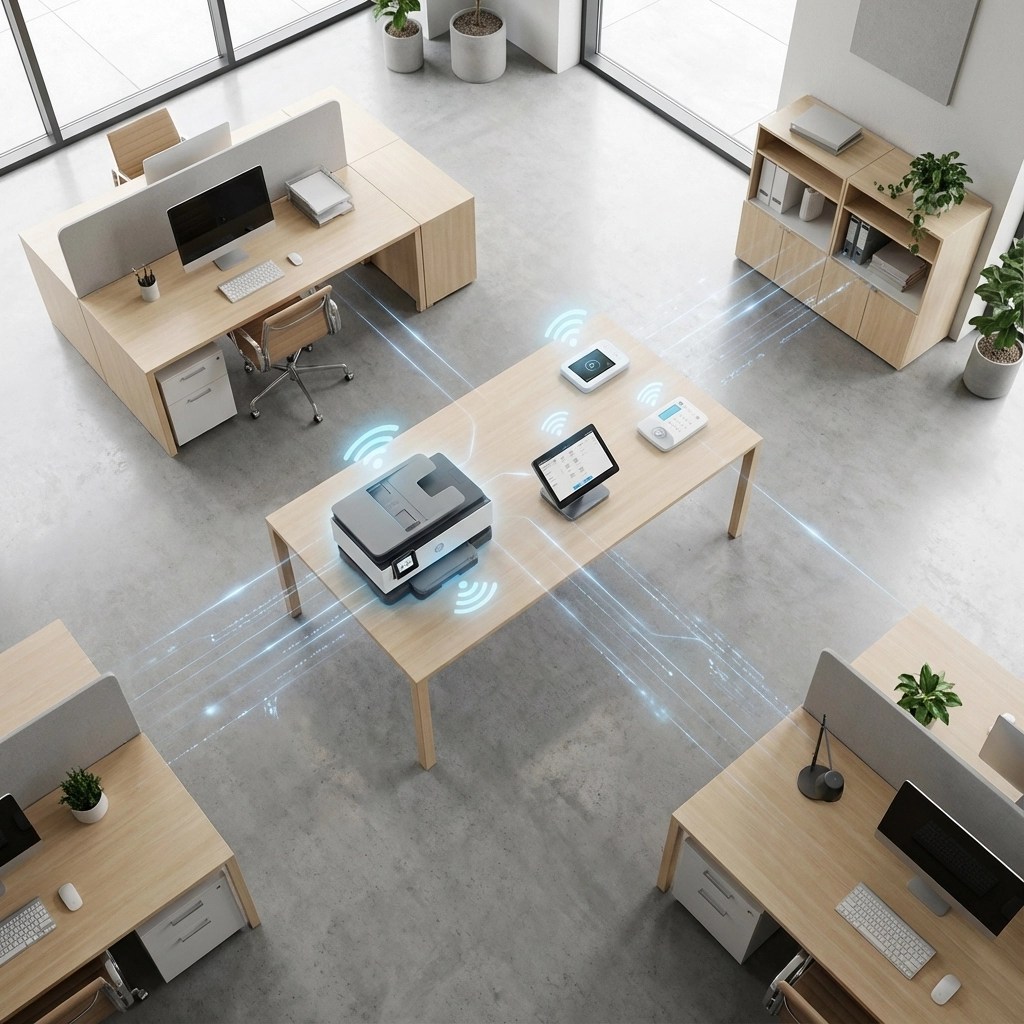
For small business owners, this means an end to the tech headache of managing dozens of disconnected systems. Your printer, security system, HVAC, and point-of-sale system can finally have a proper conversation instead of operating in isolation.
Imagine this scenario: Your door sensor notices after-hours entry, automatically adjusts lighting and temperature in that area, alerts security, and logs the event in your business management system: all without you lifting a finger or paying for multiple separate services to coordinate.
The practical benefit? You'll need fewer specialized technicians and service contracts because everything works together. Instead of calling five different companies when something goes wrong, you might only need one IT partner who understands your integrated ecosystem.
AI as Infrastructure: The Invisible Helper
CES 2026 emphasized AI that works behind the scenes instead of demanding constant attention. Think of it as the difference between a chatty coworker who needs constant direction and an experienced team member who just gets things done.
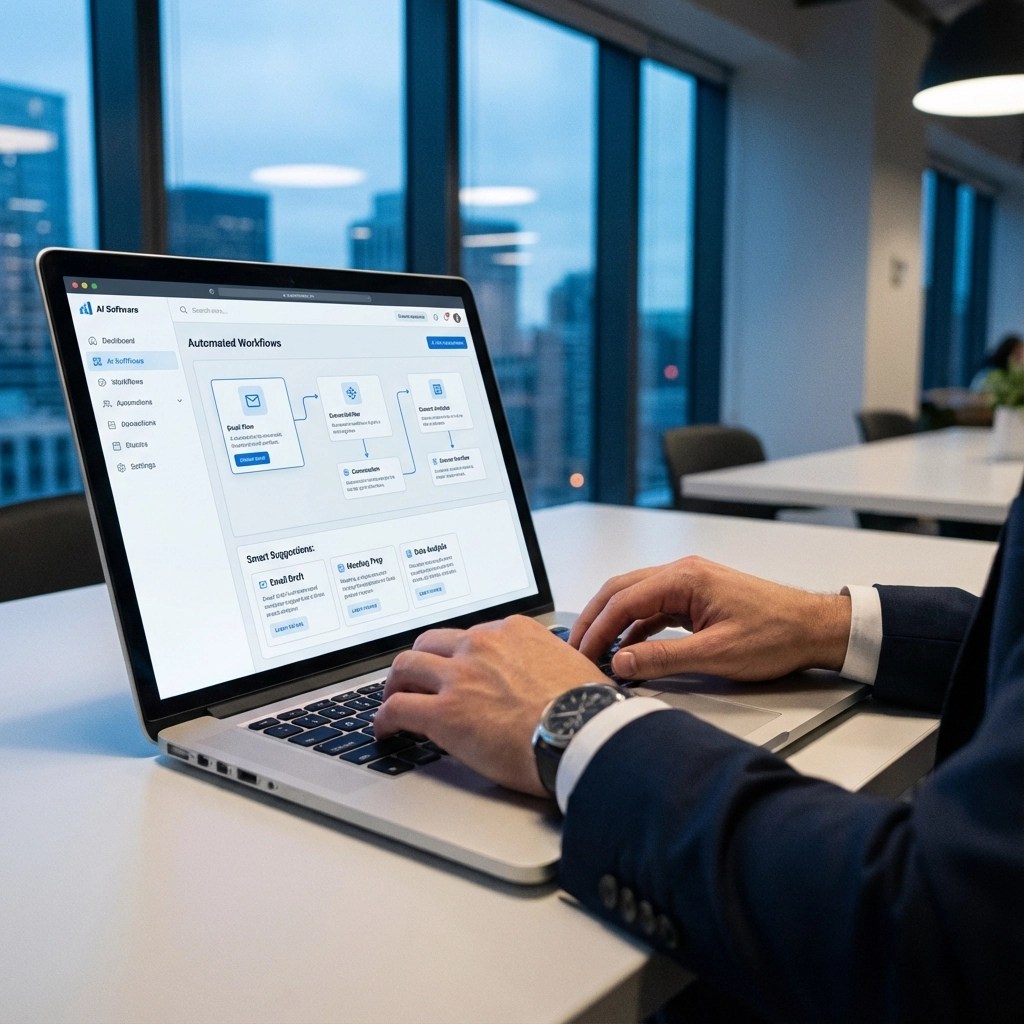
For small businesses, this invisible AI integration means smarter tools that don't require extensive training or constant maintenance. Your accounting software might automatically categorize expenses more accurately. Your customer service system could draft email responses that actually sound like your voice. Your scheduling system might optimize appointments to reduce travel time and maximize efficiency.
The key advantage? These AI improvements happen within tools you already use, so there's no massive learning curve or system overhaul required. It's like getting a free upgrade to your entire tech stack without the usual pain of implementation.
Mature Solutions Over Shiny Objects
Here's perhaps the most important trend for small business owners: CES 2026 focused on refining existing technologies rather than introducing completely new categories. This means the tech industry is finally catching up to what small businesses actually need: reliable, practical solutions that solve real problems.
Gone are the days of buying into experimental technology that might work, might break, and definitely requires a dedicated IT person to babysit. The solutions showcased this year emphasize stability, ease of use, and clear return on investment.
This shift toward maturity also means better vendor support, clearer pricing models, and technologies that integrate with what you already have instead of requiring you to rip and replace your entire setup.
Security Gets Real: Responsible AI and Data Ownership
CES 2026 also highlighted growing industry attention to responsible AI practices, data ownership transparency, and bias prevention. While these might sound like abstract concepts, they translate into very practical benefits for small businesses.
First, clearer data ownership policies mean you'll have better control over your customer information and business data. No more wondering what happens to your information when you sign up for a new service or whether you can take your data with you if you need to switch providers.
Second, the focus on bias prevention in AI systems means more reliable, fair results from automated tools. Whether it's resume screening software, customer credit evaluations, or inventory predictions, these systems are becoming more trustworthy and less likely to produce skewed results that could hurt your business or expose you to legal risks.
The Cybersecurity Reality Check
With all these connected devices and AI systems, cybersecurity becomes more critical than ever. The good news from CES 2026 is that security is finally being built into devices from the ground up instead of bolted on as an afterthought.
New standards for device authentication, automatic security updates, and encrypted communications mean that the "smart" devices you buy this year will be significantly more secure than those from even two years ago. But this also means older, unsupported devices become bigger security risks over time.
The trend toward edge AI actually helps here too. When sensitive processing happens locally instead of in the cloud, there are fewer attack vectors for cybercriminals to exploit. Your business data isn't traveling through multiple servers and networks where it could be intercepted.
Nathan's Nugget: The 70-20-10 Technology Investment Strategy
Here's my practical advice for staying current with these CES 2026 trends without overcommitting your resources or risking your business on unproven technology:
Allocate your technology investments using the 70-20-10 rule. Spend 70% of your IT budget on proven, stable solutions that directly support your current operations. This includes your essential software licenses, security systems, backup solutions, and reliable hardware replacements.
Use 20% to upgrade existing systems with these new capabilities as they become available and proven. This might mean adding AI features to your current CRM, upgrading to edge-processing security cameras, or implementing smarter device management for your existing connected systems.
Reserve just 10% for experimental or cutting-edge solutions that could provide a competitive advantage. This small percentage lets you test new technologies without risking your core operations if they don't pan out.
The key is patience and strategic timing. Let the early adopters work out the bugs and prove the ROI before you commit significant resources. When you do invest in new technology, choose solutions that integrate with what you already have rather than requiring complete system replacements.
Making It Work for Your Business
The real opportunity in these CES 2026 trends isn't about having the latest gadgets: it's about making your business more efficient, secure, and profitable through thoughtful technology adoption.
Start by identifying your biggest operational pain points. Is it inventory management? Customer service response time? Security monitoring? Data backup and recovery? Then look at how these emerging technologies can specifically address those challenges.
Don't feel pressured to implement everything at once. The trend toward mature, integrated solutions means you can adopt new capabilities gradually as they prove their value and fit your budget.
Most importantly, work with an IT partner who understands both the technology possibilities and your business realities. You need someone who can translate these industry trends into practical recommendations that make sense for your specific situation and budget.

The bottom line? CES 2026 trends point toward a future where technology finally works the way small businesses need it to: more reliable, more secure, and more integrated, without requiring a computer science degree to manage. The key is approaching these opportunities strategically rather than jumping on every new trend that comes along.
If you're ready to explore how these emerging technologies can benefit your business without the usual headaches and overcommitment, let's talk about creating a technology roadmap that actually makes sense for your operations and budget.